The Confederation Boulevard Planning and Design Guidelines is the primary reference tool for the planning and management of Confederation Boulevard. This document sets out a vision and key principles, identifies components for planning, mobility and the public realm, and provides specific guidelines. The goal is to guide the evolution of the Boulevard with a planning horizon of 20 years.
The NCC Board of Directors approved the updated Confederation Boulevard Planning and Design Guidelines in September 2025.
What is Confederation Boulevard?
Confederation Boulevard is a ceremonial route that links major Capital sites on both sides of the Ottawa River, distinguished by its streetscape design. It connects and unites the many places that define the history and character of the Capital.
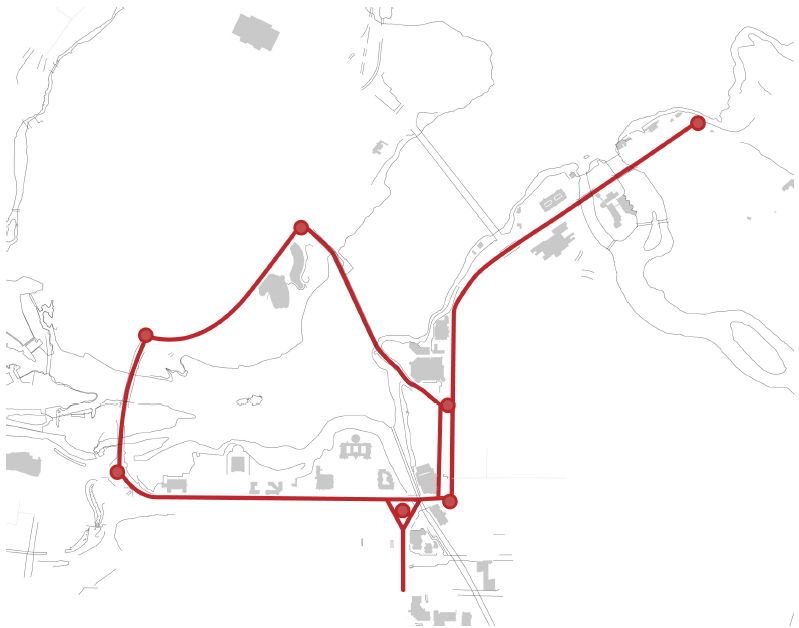
This 7.5-km loop features national institutions, heritage sites, monuments and festival plazas. It includes important portions of streets in downtown Ottawa and Gatineau, such as Wellington Street, Elgin Street, Sussex Drive, Mackenzie Avenue and Laurier Street. It also includes the Alexandra and Portage bridges.
About the guidelines
Vision
Confederation Boulevard is a key feature of the National Capital core area, a ceremonial and discovery route forming a loop around and along national symbols and federal institutions as a memorable, vibrant public space that fosters sustainable mobility and climate resilience. It reflects and celebrates Canada’s rich history and contemporary diversity in inclusive and meaningful ways.
Key principles

Create a Memorable Image
A distinct capital image, cohesive streetscaping, national symbols, placekeeping and a high level of maintenance
Foster a Vibrant Public Place
Public spaces, discovery, connectivity, programming and ceremonies, and vibrancy during all seasons
Support Sustainable Mobility
User safety, pedestrians, cyclists, transit, connections and network, and private vehicles
Advance Climate Resilience
Climate mitigation, climate resiliency and adaptation, low-impact development, and visitor comfort and safety
Promote Inclusivity
Universal accessibility, diverse commemorations, interpretation and public art, and reconciliationA balance between continuity and change
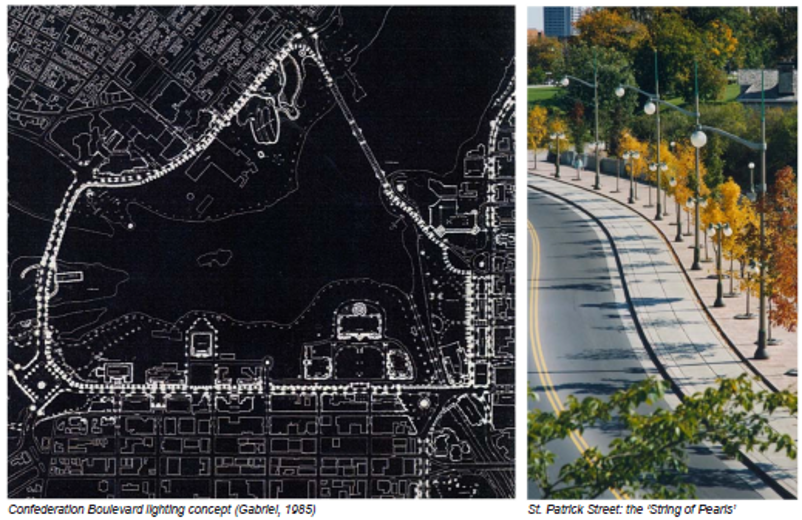
The new guidelines reiterate the importance of the two fundamental concepts that define the character of Confederation Boulevard as Canada’s ceremonial route.
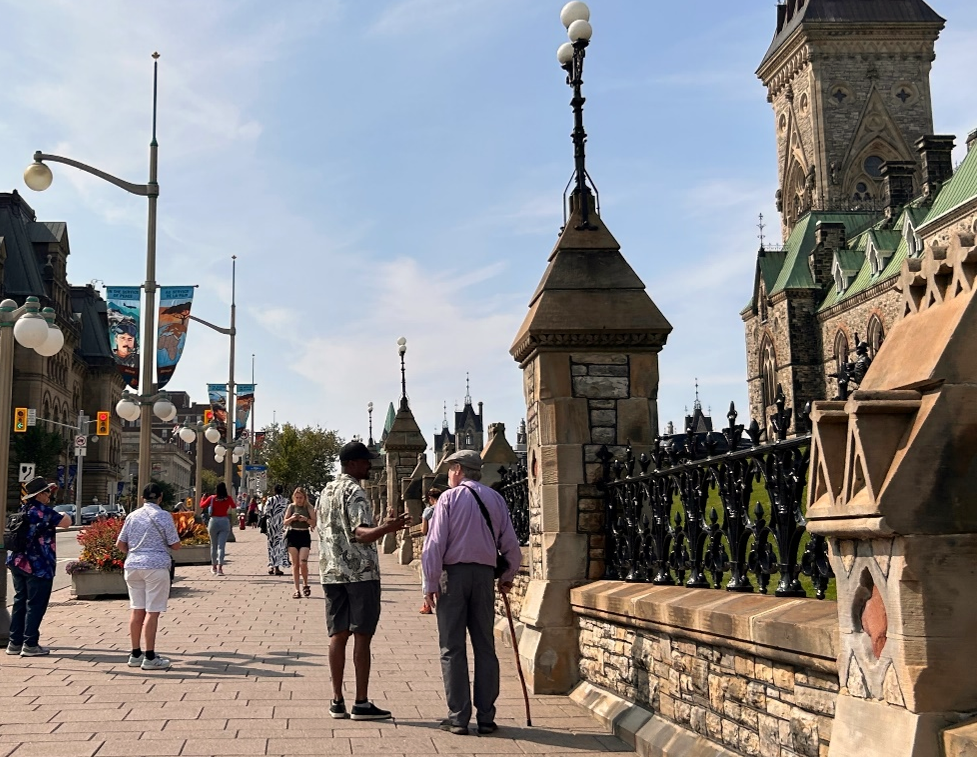
However, the guidelines provide updated guidance and opportunities for variation in areas such as accent lighting, tree planting, the use of unit paving across the right-of-way at important nodes, the provision of year-round seating through various design concepts, and transit shelters.
However, the guidelines provide updated guidance and opportunities for variation in areas such as accent lighting, tree planting, the use of unit paving across the right-of-way at important nodes, the provision of year-round seating through various design concepts, and transit shelters.
Character areas and experiences
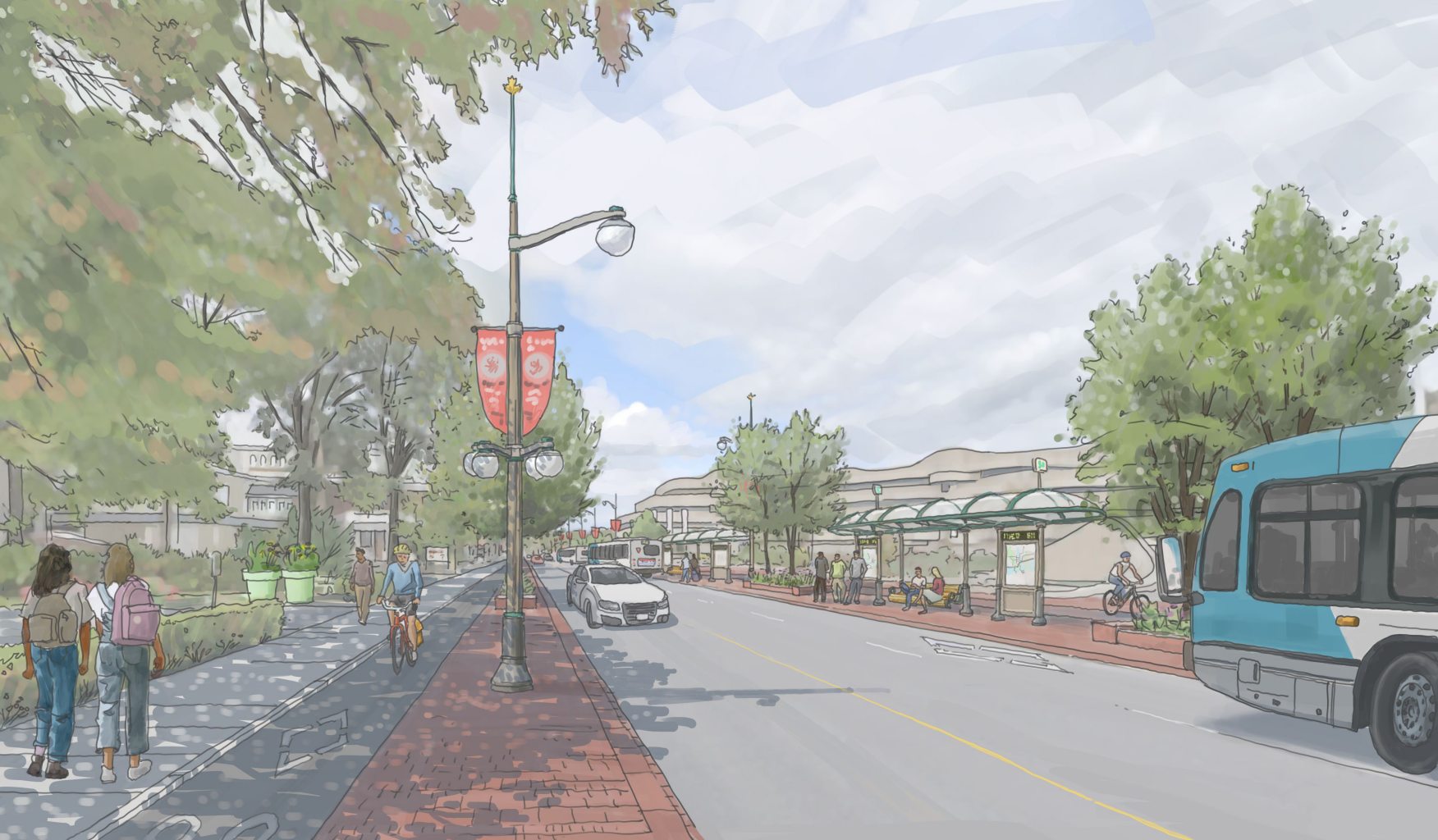
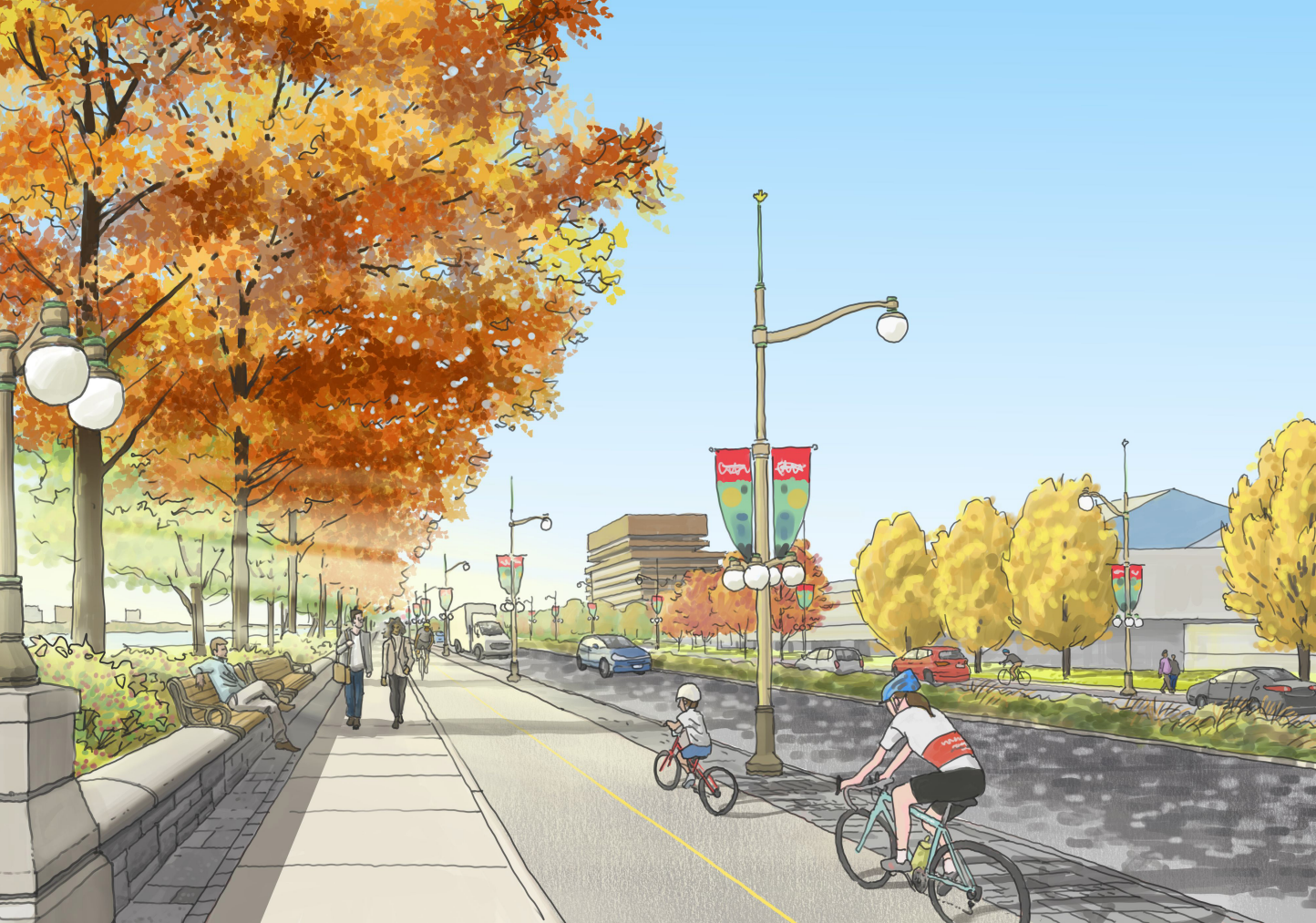
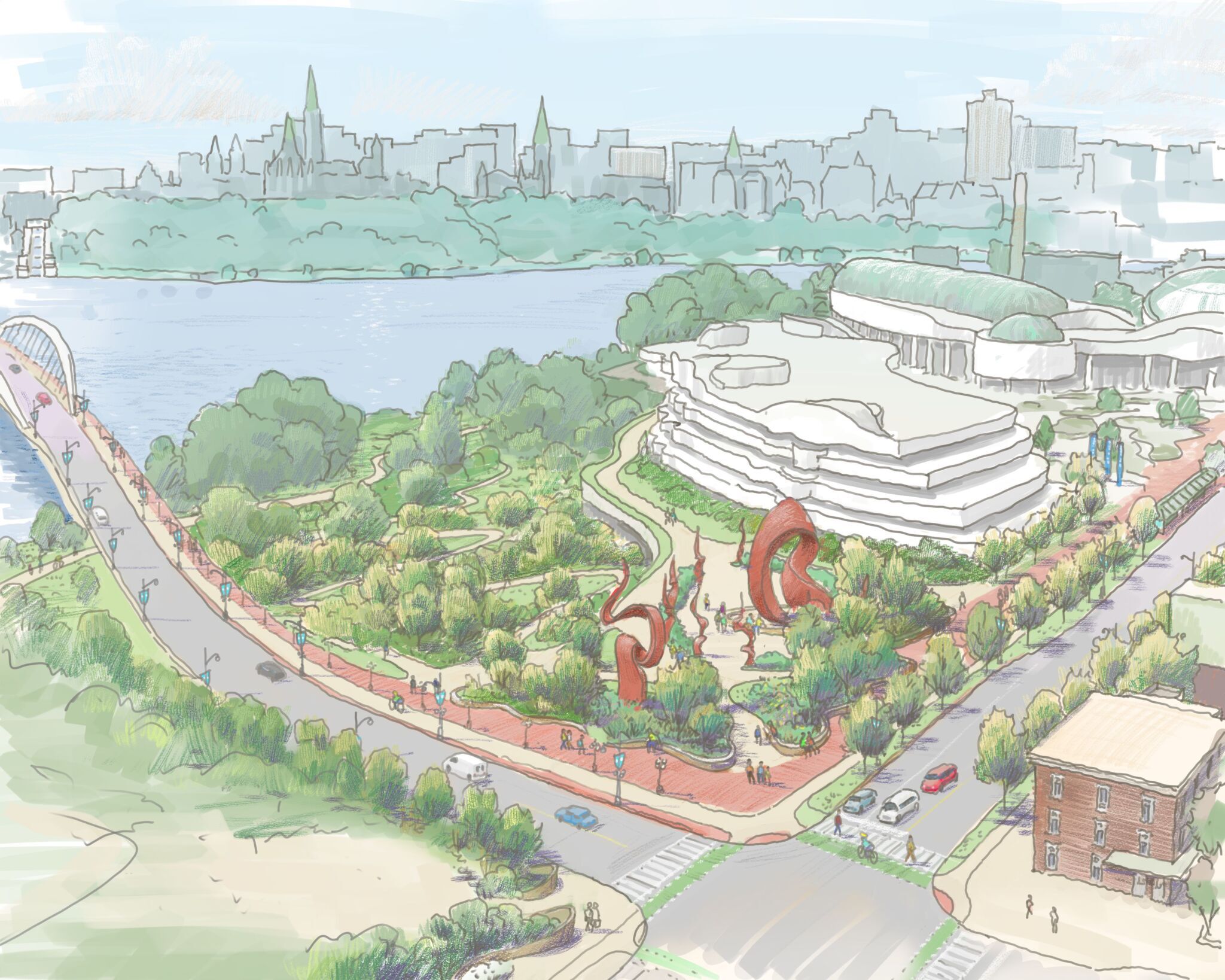
The guidelines also provide demonstration plans and perspective sketches, illustrating how the principles, priorities and guidelines could be applied to each segment and node. These are big ideas that build on various plans, projects and initiatives.
Perspective sketches
Here are examples of perspective sketches for some of the segments and primary nodes found in the plan. The sketches are not intended to be prescriptive and must be validated and refined through future study and design work.
Review process
The Confederation Boulevard Planning and Design Guidelines were approved in September 2025. The approval replaces previous versions of the guidelines (2011, 1985); however, these may be used as reference material.
This document’s lifespan is intended to be 20 years, until 2045. Regular review over the course of its lifespan will ensure that it continues to respond effectively to evolving needs and conditions.