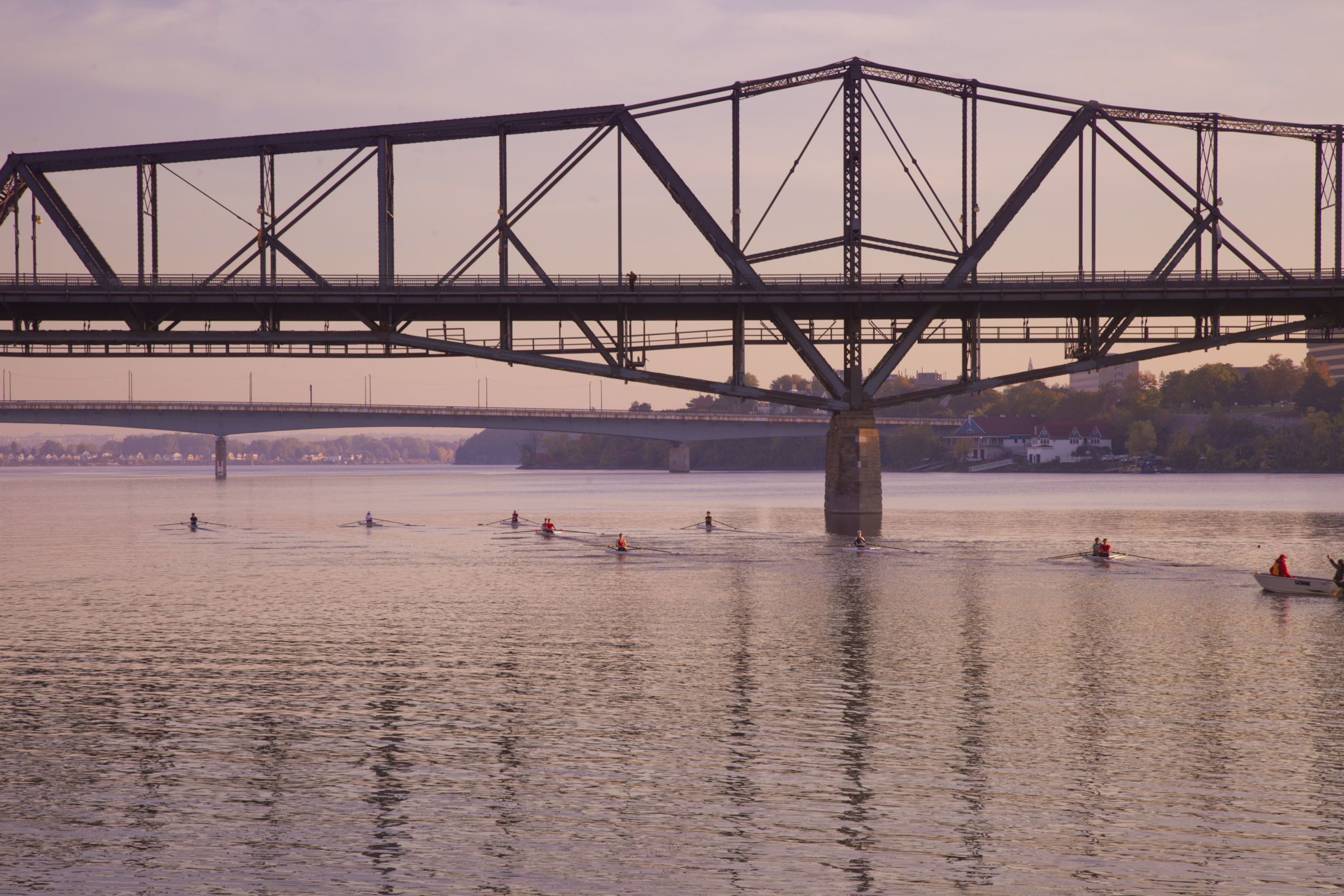
The Alexandra Bridge has been an iconic feature of the Ottawa-Gatineau skyline for over 120 years. Originally built for trains, horse and wagons, electric streetcars, and pedestrians, the bridge is now used by thousands of pedestrians, cyclists and motorists.
The Alexandra Bridge has reached the end of its service life and is due for replacement. The Government of Canada directed that the bridge be replaced to make sure the crossing can service transportation needs well into the future. Ongoing repairs will allow it to remain in use until the start of construction in 2028.
Public Services and Procurement Canada (PSPC) is the federal government department responsible for the management of the Alexandra Bridge, with the NCC acting as partner. The NCC, as part of an integrated project team, is leading a comprehensive engagement process, as well as many studies on this project.
Discover the extensive work and collaboration that is going into replacing this iconic bridge in PSPC’s new story “Getting ready for a new bridge.”
On this page
The latest on the project
The NCC Board of Directors granted a Federal Land Use and Design Approval to the Schematic Design for the Alexandra Bridge Replacement Project.
The schematic design establishes the overall vision for the project before moving into more detailed design development and construction.
This federal land use and design approval will allow the integrated project team and the future design-build partner to continue preparatory work needed to advance toward construction.
Preferred Design Concept
In October 2024, three shortlisted design concepts were presented to the NCC Board of Directors. The NCC then sought feedback on the design concepts from the public, Indigenous communities, GBA+ focus groups, expert groups and stakeholders to inform the evaluation process.
PSPC and the NCC followed a process to fairly and objectively evaluate each design and select a preferred concept. The process leveraged input from many studies as well as feedback from:
- Heritage Impact Analysis
- Advisory Committees (Advisory Committee on Planning, Design and Real Estate [ACPDR], Advisory Committee on Universal Accessibility [ACUA])
- Independent Review Panel (IRP)
- Indigenous communities
- Public advisory group
- Stakeholders
- Members of the public
The integrated project team used a detailed multi-criteria assessment (MCA) to evaluate the three design concepts based on seven design principles which incorporated input from the first phase of public consultation:
- Bridge expression
- Capital realm integration
- Public space and user experience
- Views and visual experience
- Sustainability and the environment
- Construction cost and schedule
- Operation and maintenance
The integrated project team has refined the preferred design concept for the Alexandra Bridge replacement. This updated concept reflects feedback from the public, Indigenous communities, and advisory committees.
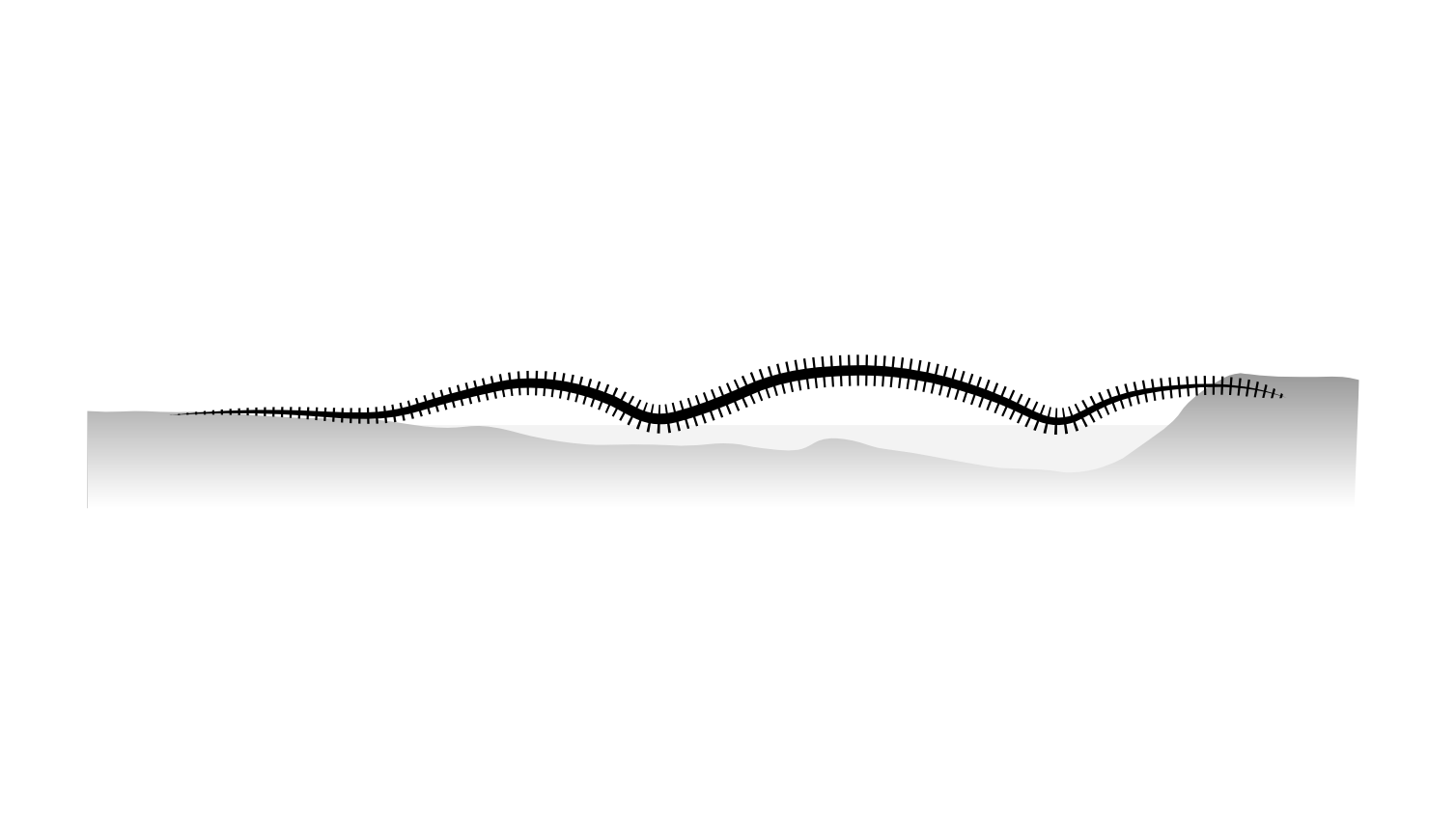
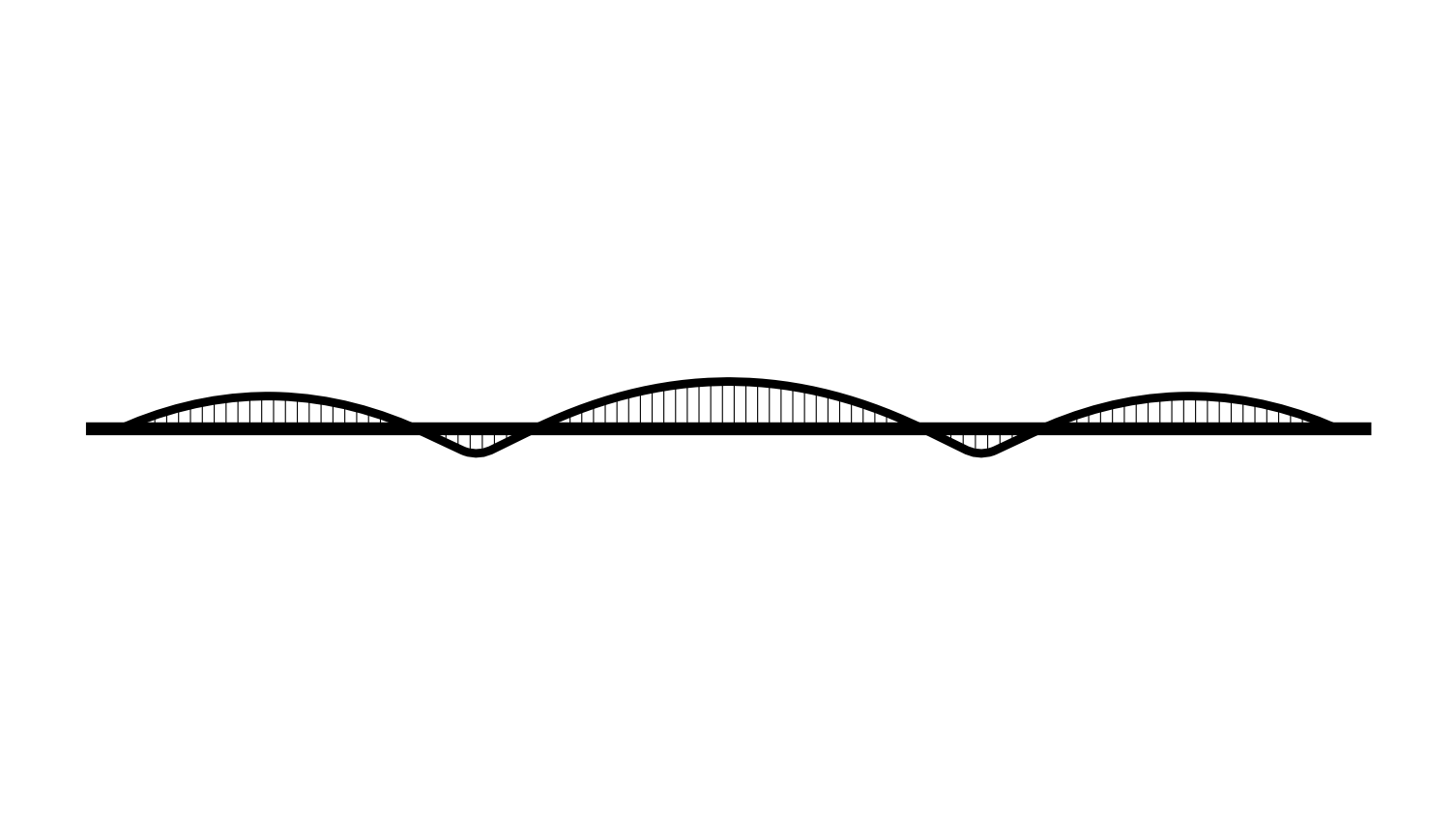
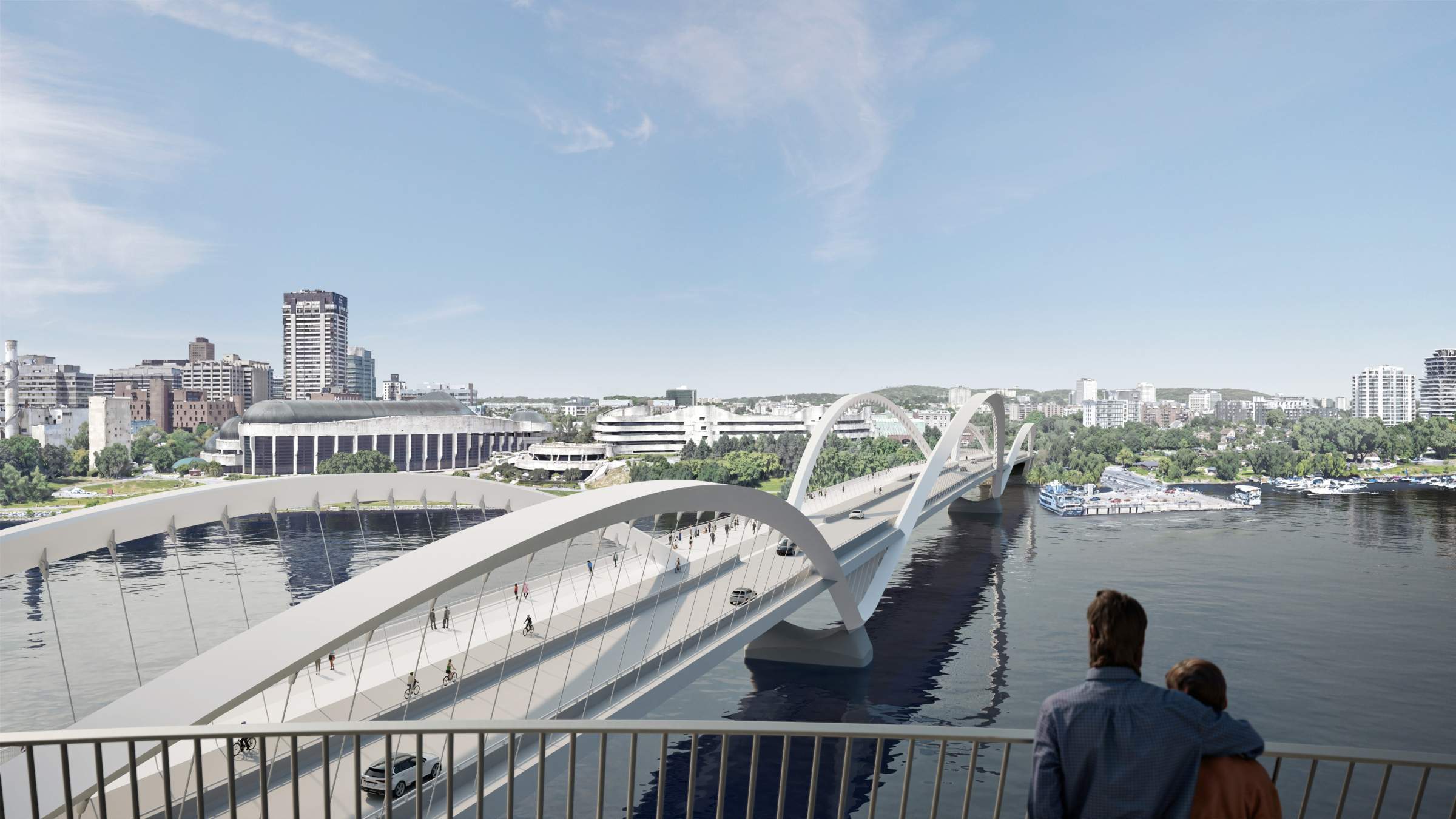
The preferred concept design for the bridge was approved in January 2025. It features three arches flowing over the river, alluding to the eels that have long called the Ottawa River home and offering visual interest both above and below the bridge. Two gathering points will provide generous space for people on the bridge deck to enjoy the spectacular views towards Parliament Hill and the Gatineau Hills.
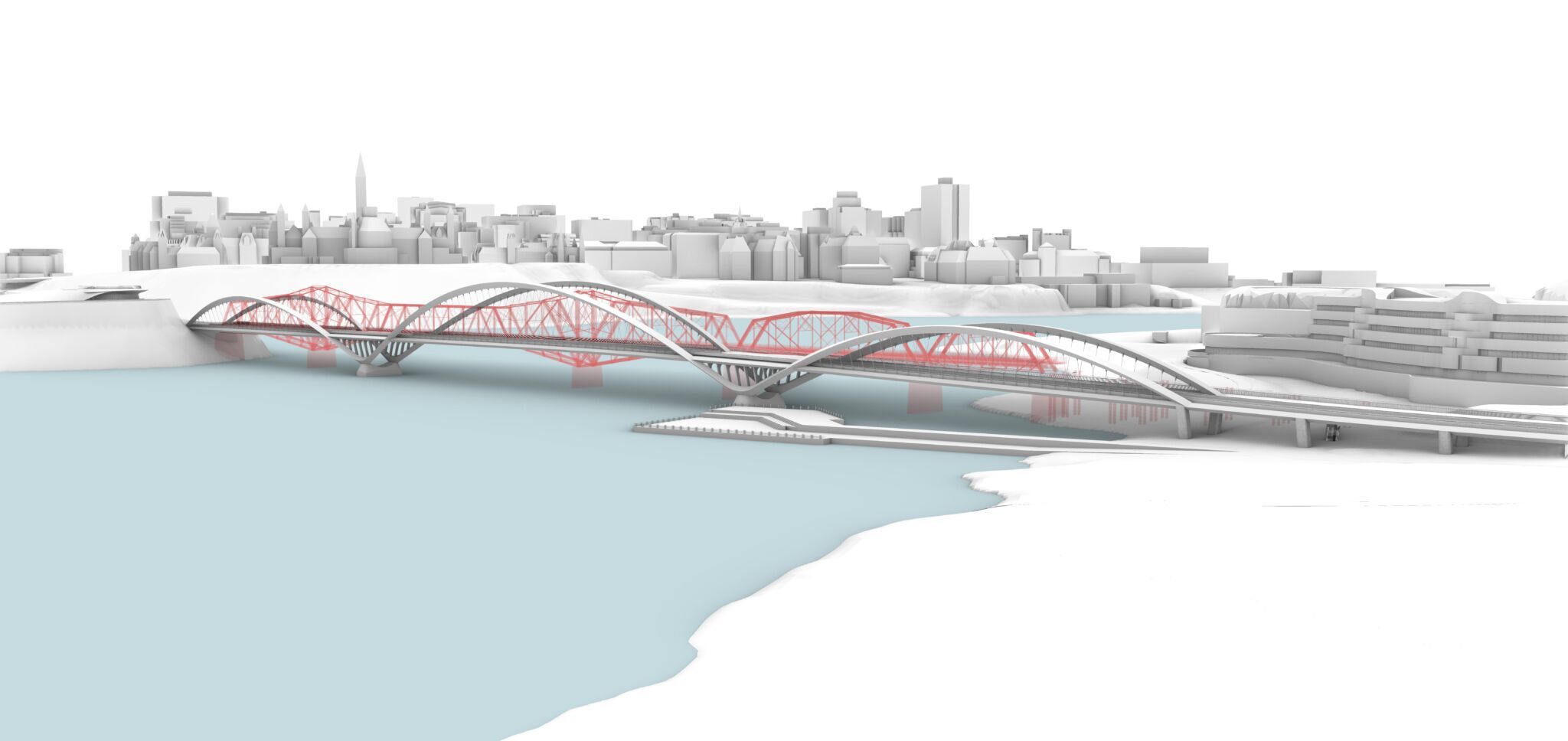
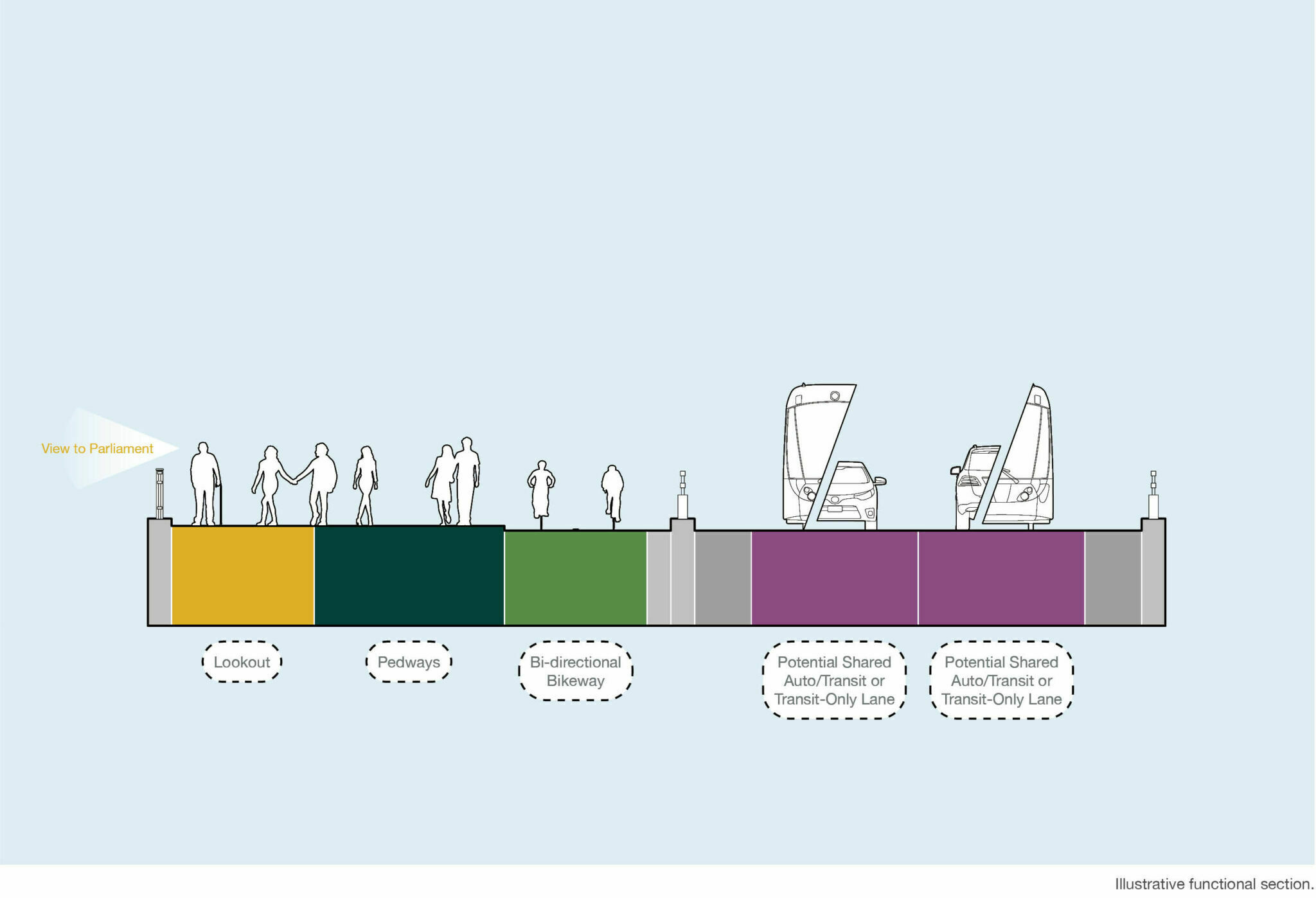
The preferred design features an efficient ladder deck system with a unique cross-section arrangement. It integrates separated bike and vehicle lanes within the bridge structure, while the pedestrian lane is on the outer side for an enhanced experience.
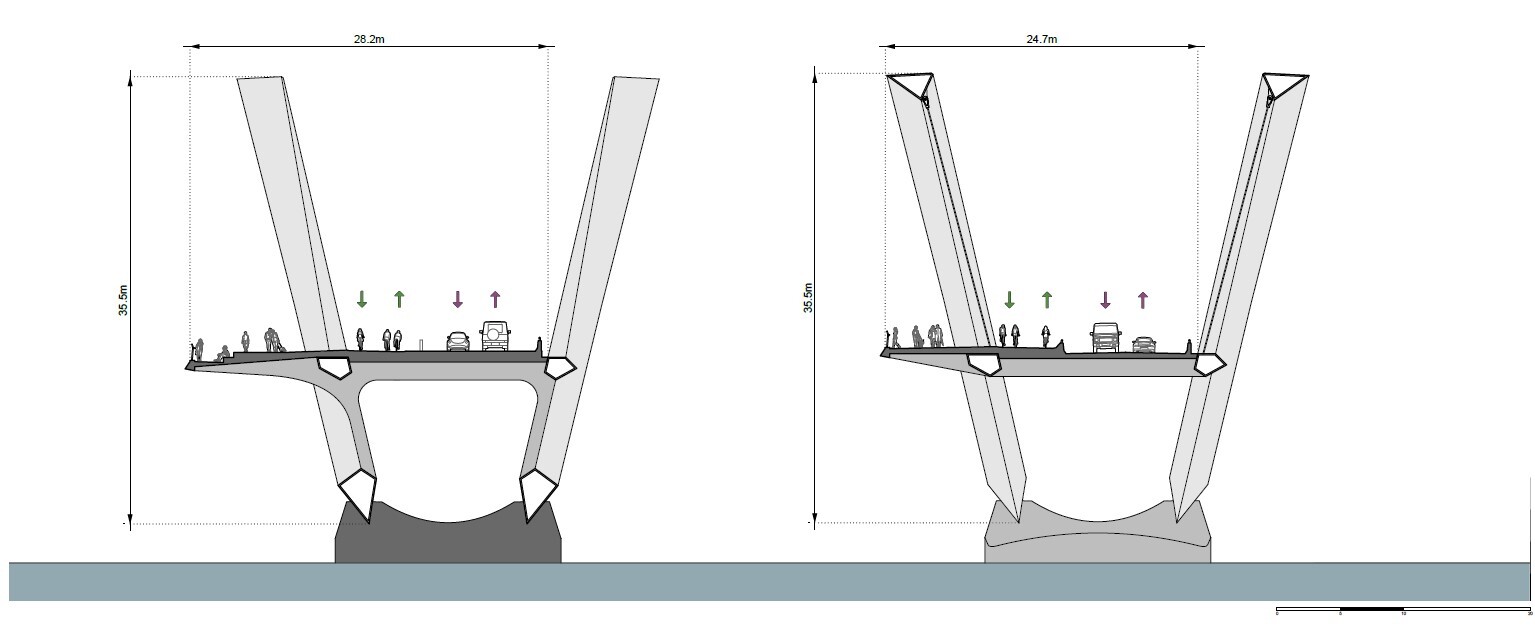
The preferred design concept stood out for its ability to complement the surrounding landscape, provide engaging views and offer accessible public spaces. It achieved the highest score in the MCA.
Next steps
The Alexandra Bridge Replacement Project is now entering Stage 3: Procurement, Final Design and Construction, which is expected to continue through 2032.
The procurement process to select a design-build partner is underway, with onboarding anticipated in 2026. Once this is complete, the design-build partner will refine the preferred design concept, drawing on technical studies and input received from the public, Indigenous communities and stakeholders.
As the project progresses, the integrated project team will work with the design-build partner to provide regular public updates and clearly communicate any construction impacts in a timely manner. The integrated project team will also collaborate with stakeholders and Canadian Heritage to advance the Interpretation and Commemoration Plan throughout the next stages.
Bridge construction activities are expected to begin in 2028.
About the Alexandra Bridge
Technical advisor
In spring 2023, PSPC retained the services of a technical advisor (TA) to coordinate and complete a number of economic, heritage and environmental studies, as well as develop the conceptual designs for the new bridge.
Design framework
The integrated project team (NCC, PSPC and the TA) created a design framework to guide the early design stages. The development of the design is based on several studies and is informed by input from Indigenous communities, the public and stakeholders, as well as expert and review committees.
The team developed performance criteria to evaluate the bridge’s final concept design options. These criteria are based on planning and design principles that were the subject of a public consultation in fall 2020 and were approved by the NCC’s board of directors in June 2021.
When it opened in 1901, the Alexandra Bridge was considered one of the most innovative bridges of its time, linking the cities of Ottawa, Ontario and Gatineau, Quebec. It spans the Ottawa River from Kìwekì Point in Ottawa to the Canadian Museum of History in Gatineau. Out of all the interprovincial crossings, the Alexandra Bridge carries approximately 9 percent of vehicular traffic and about 33 percent of active mobility users (e.g. pedestrians, cyclists, users of mobility devices).
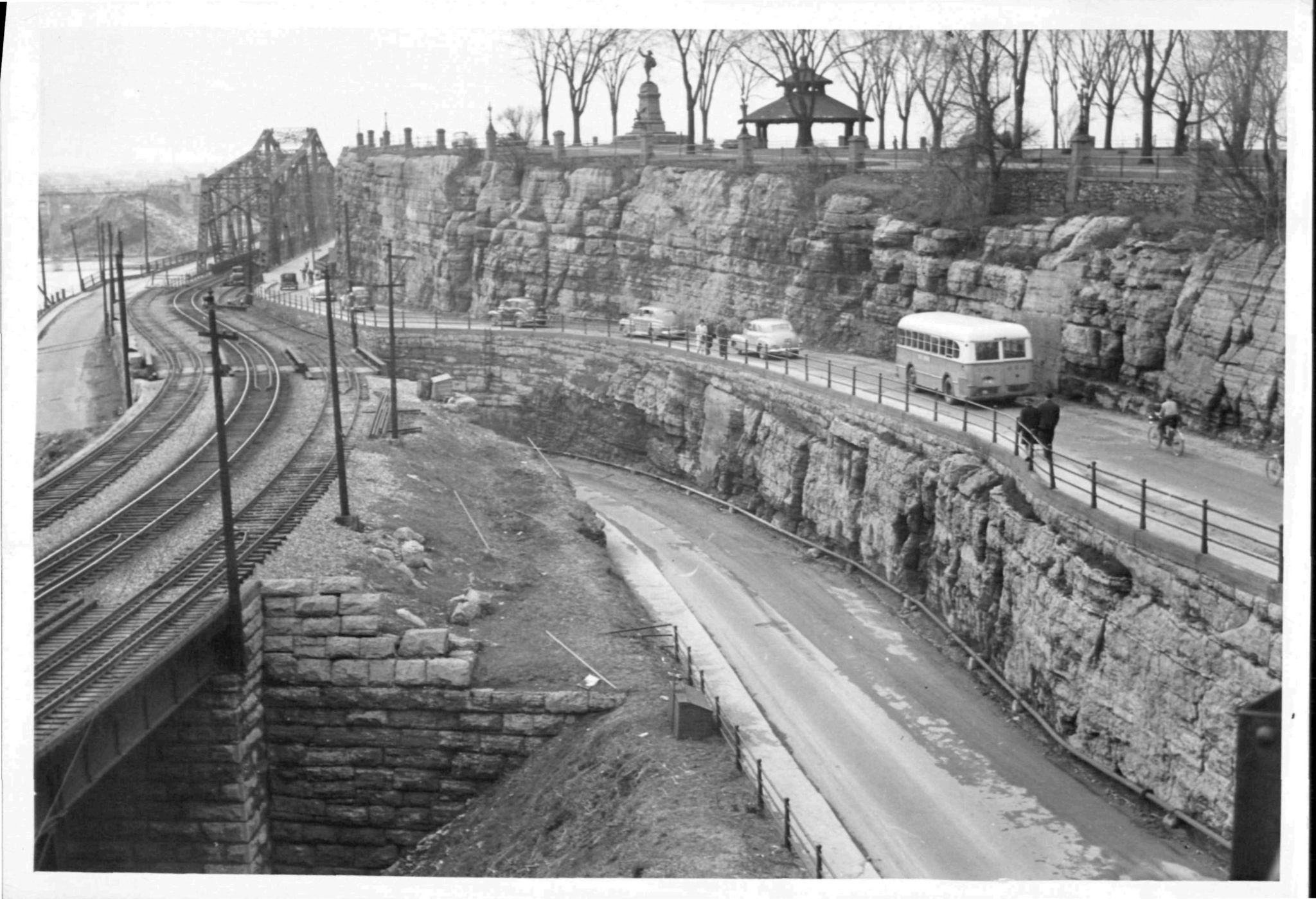
The bridge is a major national landmark. It is recognized for its iconic beauty and innovative design. Here is a brief overview of its history.
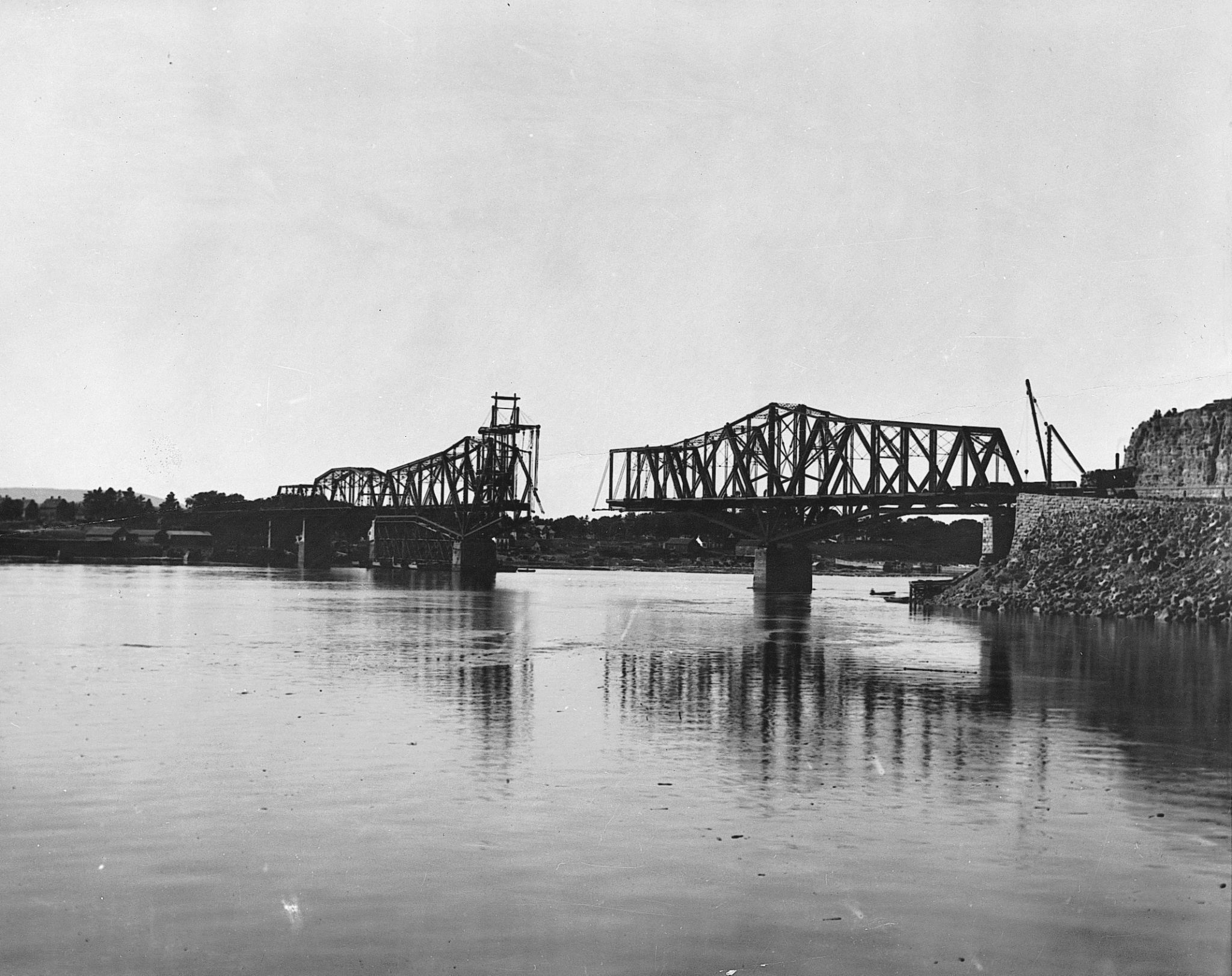
- 1898–1900: Construction of the Alexandra Bridge, which includes the longest cantilevered span in Canada, by Canadian engineers and designers and the largest steel structure built in North America.
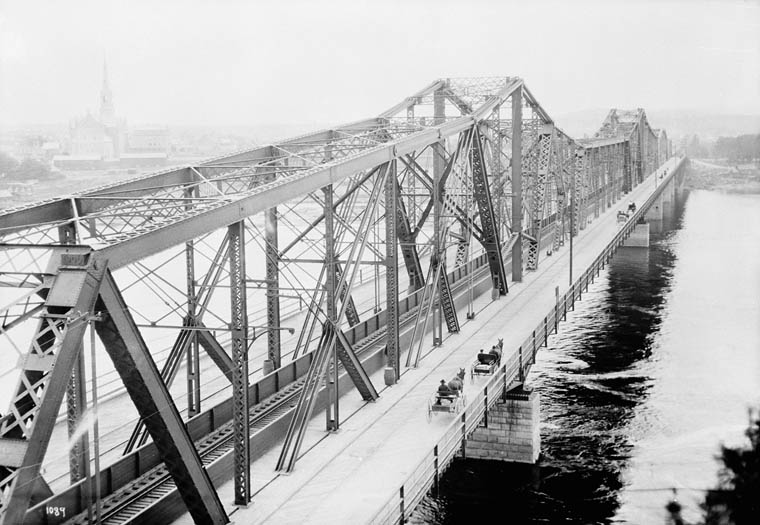
- 1901: The bridge opens to traffic: trains, electric streetcars, horses and wagons, and pedestrians.
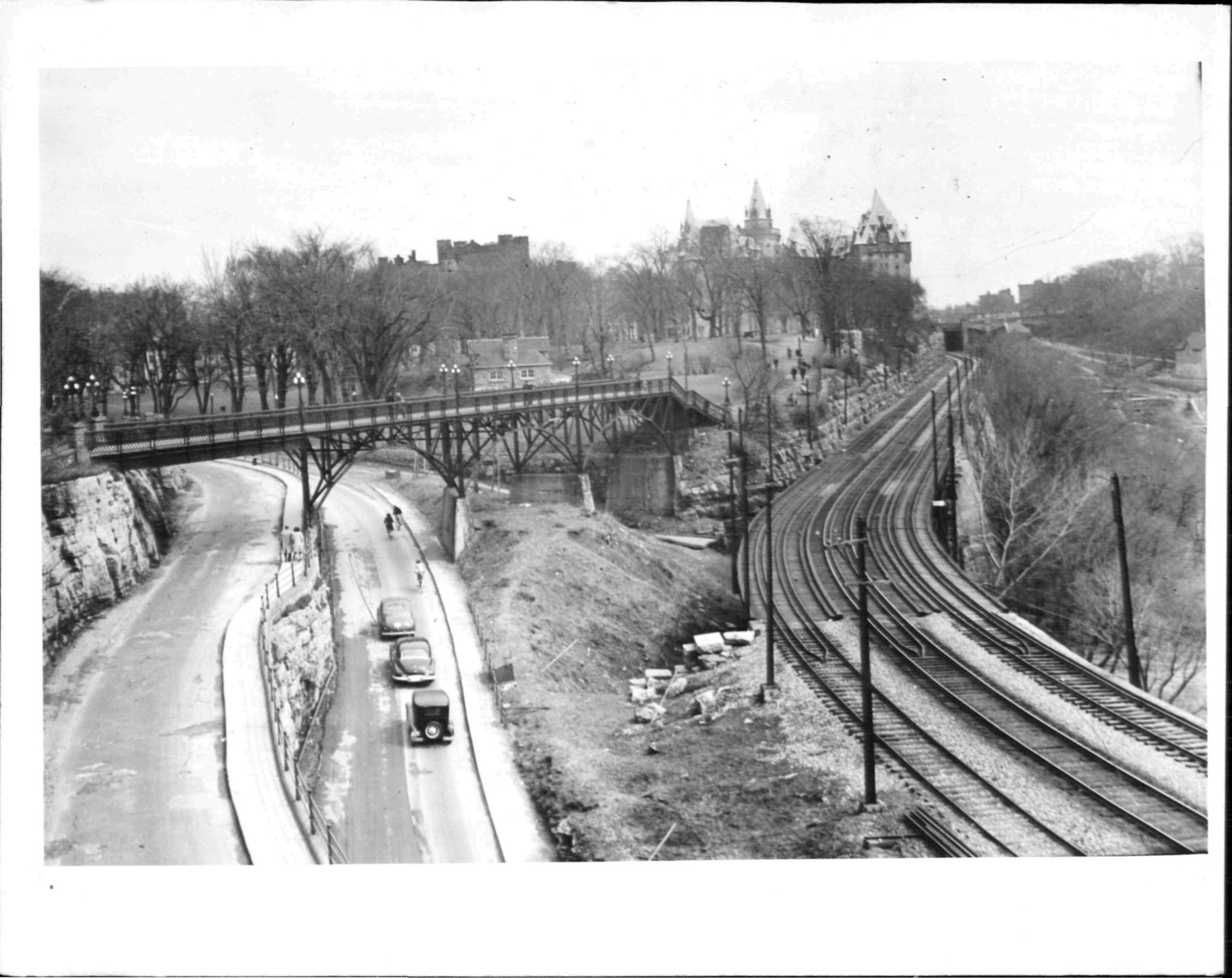
- 1946: A major fire destroys about one third of the bridge deck, leading to a major rehabilitation. Streetcar service over the bridge is discontinued.
- 1966: Train use over the bridge ends with the construction of the new Ottawa railway station on Tremblay Road. The train tracks are removed from the bridge in 1970.
- 1995: The bridge is designated a National Historic Civil Engineering Site by the Canadian Society for Civil Engineering.
- 2000: The Alexandra Bridge formally becomes a key component of the Confederation Boulevard ceremonial route.
- 2010: A heritage value assessment by PSPC rates the bridge as an engineering asset of national historic importance.
- 2017: The bridge is included in the City of Ottawa’s Heritage Register for its cultural heritage value or interest.
- 2018: A lifecycle cost analysis determines that replacing the bridge would be less disruptive to the public than trying to maintain the existing bridge and would also be more cost effective.
- 2019: The Government of Canada directs that the bridge be replaced within 10 years.
- 2019: Pre-planning for a replacement bridge begins.
- 2021: The bridge is added to the National Trust for Canada’s Endangered Places List.



Process and timeline
Replacement of the Alexandra Bridge involves the following three stages.
Pre-planning (completed)
- Development of the planning and design principles
- Public consultation 1a: Share project information, consult on planning and design principles, potential impacts, and mitigation measures (fall 2020)
- Public consultation 1b: Share project updates, consult on anticipated benefits and potential impact mitigation strategies (fall 2021)
Planning and design
- Submission of the initial project description to the Impact Assessment Agency of Canada (spring 2022)
- Development of the Alexandra Bridge Replacement Performance Criteria for Bridge Design (2022)
- Submission of the detailed project description to the Impact Assessment Agency of Canada (winter 2023)
- Decision by the Impact Assessment Agency of Canada (spring 2023)
- Development of thematic studies, including a heritage impact assessment (underway)
- Development of design framework and concept design options (underway)
- Public consultation 2: Concept design options (fall 2024)
- Public outreach and reporting (spring 2025)
- Public consultation 3: Reference design (spring/summer 2025)
- Indigenous engagement (ongoing)
Procurement and implementation
- Procurement process to award developed design and construction contract
- Indigenous engagement (ongoing)
- Deconstruction of the existing structure and start of new bridge construction
Requirements of the new bridge
The new bridge will be designed in a way that allows for active transportation, public transit and personal vehicles.
The following requirements reflect some of the input received in the first round of consultations.
- Two lanes for vehicle traffic (one in each direction) that could later be adapted for a high-capacity transit system.
- One two-way lane for active transportation (pedestrians, cyclists and mobility device users), with clear separation of pedestrians and cyclists, on the west side of the bridge. It should include seating to provide safe and unobstructed rest points and viewing locations.
- All lanes will have a solid surface to protect the bridge from the elements, de-icing products and dirt. This will allow for a longer-lasting structure.
Planning and design principles
The vision for the new structure is to create a bridge as a unique civic place, reflective of Canadian values and identity, and respectful of the integrity of the national capital’s cultural landscapes.
The following guiding principles will provide additional direction on the design of the new bridge in the areas of planning, heritage protection, urban design and sustainability.
During the first round of consultations in fall 2020, over 3,000 participants provided feedback on these principles. In June 2021, the NCC Board of Directors approved them.

Mobility and continuity of the urban fabric

Public space and civic experiences

Structure, height, proportions and lighting

Preservation of views and celebration of the bridge’s legacy

Sustainability and materiality

Universal accessibility, legibility and wayfinding
What the project means for you
The replacement of the Alexandra Bridge is a unique opportunity to reimagine this vital connection between Ottawa and Gatineau. We are analyzing the many impacts this project could have and are looking for solutions.
Traffic
Careful consideration will be given to the impact that construction activities will have on vehicle and active transportation, traffic management operations, public and private transit operators, emergency services, residents, and businesses in the vicinity of the bridge.
Environment and sustainability
The replacement of the bridge will be planned to optimize health and safety, environmental protection, and the principles of sustainable development, including resilience, low carbon emissions and waste reduction.
The project team will conduct further studies to understand the potential impacts of the project, for example, on fisheries, archaeology and wildlife.
Life, work and recreation
The replacement of the bridge will be planned to limit the effects of construction (e.g. noise, vibration, dust) and other disruptions to nearby communities, residents and businesses, and visitors to the region.
There may be temporary impacts on access to neighbouring green spaces and the Ottawa River.
- Neighbouring boat launch, wharf and marina: We recognize the importance of recreational and commercial boating in the area and will continue to engage with the public, stakeholders and Indigenous communities on this matter.
The project is subject to the NCC’s federal approval process.
NCC’s federal approval process
The purpose of the NCC’s federal land use, design and transaction approval (FLUDTA) review process is to support the protection of the character and national significance of the Capital.
Given the significance and complexity of the Alexandra Bridge Replacement Project, the FLUDTA process will involve a series of sequential approvals to be considered by the NCC Board of Directors at key milestones of the early bridge design.
The NCC’s Advisory Committee on Planning, Design and Realty has also provided feedback at key design milestones. The committee consists of experts in real estate development; environmental, urban and regional planning; urban design; architecture; and landscape architecture.
Engagement
Members of the public, stakeholders and Indigenous communities provided feedback throughout the various planning stages of the project. Indigenous engagement will continue throughout the project.
Indigenous engagement
A team composed of PSPC and NCC employees has been engaging with 19 communities and organizations, including the Algonquins of Pikwàkanagàn and Kitigan Zibi Anishinabeg communities.
Community-led activities have been taking place to support the project. This includes activities relating to project impacts, including ecological, socioeconomical, heritage and archeology. We are also engaging on the design of the new bridge and economic participation.
Public advisory group
Since the public advisory group (PAG) was created in fall 2023, the PAG met on four occasions to learn more about different aspects of the project and studies underway, as well as to provide feedback on design, engagement activities and the bridge’s cultural landscape.
Project newsletter
We will send quarterly updates to the project newsletter list. To join our mailing list, please email consultations@ncc-ccn.ca.

Documents
- Alexandra Bridge Replacement Project - Public consultation report - June 2025 (610.49 KiB)
- Alexandra Bridge Replacement Project - Public consultation report - October 2024 (8.27 MiB)
- Alexandra Bridge Replacement Project - Public consultation report - December 2021 (4.22 MiB)
- Alexandra Bridge Replacement Project - Public consultation report - October 2020 (1.48 MiB)
- Alexandra Bridge planning and design principles (9.02 MiB)
- Alexandra Bridge Replacement Performance Criteria for Bridge Design (38.29 MiB)